What are the Spiritual Realms?
Exploring the Unseen: An Introduction to the Spiritual Realms
“While we look not at the things which are seen, but at the things which are not seen: for the things which are seen are temporal; but the things which are not seen are eternal.” — 2 Corinthians 4:18
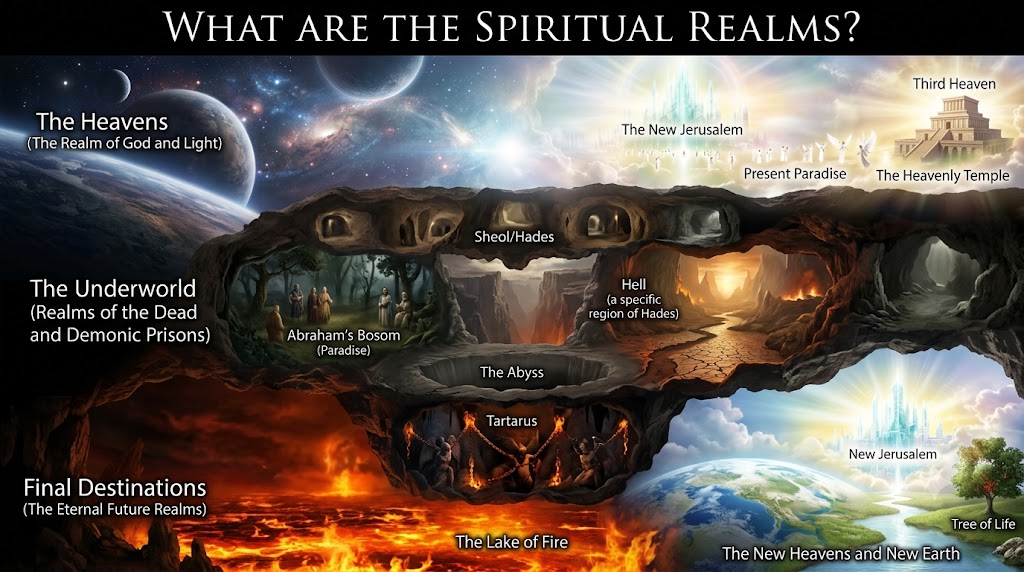
A biblically based theological understanding of “The Spirit World” requires us to explore not only the beings that inhabit the unseen realm but also the actual geography of the spiritual dimensions. God has revealed through Scripture that the universe is far more expansive than the physical cosmos. The spiritual realms are distinct dimensions and locations with specific purposes within God’s sovereign plan.
As we embark on this sub-series, we will map out the spiritual realms in three primary categories:
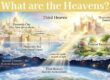
- The Heavens (The Realm of God and Light): These are the present, upward spiritual realms where the glory of God is fully manifested. It encompasses the visible skies, the vastness of space, and the invisible Third Heaven, which is the current dwelling place of God and the righteous departed who await the resurrection.
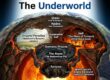
- The Underworld (Realms of the Dead and Demonic Prisons): This category covers the “downward” spiritual realms. It is vital to understand that these are temporary holding places prior to the Final Judgment. They include the general realm of the dead, places of temporary comfort, and profound abysses reserved for the containment of specific demonic entities.
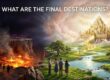
- Final Destinations (The Eternal Future Realms): Moving past temporary holding spaces, the biblical timeline culminates in eternal realities. These encompass both the realms of final, irreversible judgment for the wicked and the glorious eternal state where heaven and earth are united, and God dwells directly with His redeemed people forever.
What are the Heavens? The Realm of God and Light
“I knew a man in Christ above fourteen years ago, (whether in the body, I cannot tell; or whether out of the body, I cannot tell: God knoweth;) such an one caught up to the third heaven.” — 2 Corinthians 12:2
The biblical concept of heaven is multifaceted. Rather than a single ethereal location, the Bible describes a layered reality culminating in the ultimate dwelling place of God’s unshielded glory.
The Three Heavens
The Scriptures speak of heaven in three distinct layers:
- The First Heaven: This is the immediate earthly atmosphere, encompassing the sky, the clouds, and where the birds fly (Genesis 1:20) .
- The Second Heaven: This refers to outer space, the vast cosmic expanse containing the sun, moon, stars, and planets (Psalm 8:3).
- The Third Heaven: This is the invisible spiritual realm. It is the throne room of God, the dwelling place of the heavenly host, and the destination where the Apostle Paul was caught up in a vision (2 Corinthians 12:2).
Present Paradise
The moment a justified believer passes from this physical life, their spirit immediately enters Present Paradise—the blissful, conscious presence of God currently located in the Third Heaven. As the Apostle Paul declared in the New Testament, to be “absent from the body” is to be “present with the Lord.” In this heavenly realm, the spirits of the righteous dead are not asleep; rather, they reside in perfect peace, joy, and active fellowship with Christ as they await the future bodily resurrection at the end of the age.
The Heavenly Temple and Mount Zion
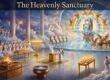
The earthly tabernacle built by Moses was not an original design, but a “shadow of heavenly things” (Hebrews 8:5). Hebrews 8 and 9 describe a literal, functional spiritual sanctuary in heaven . Furthermore, Hebrews 12:22 speaks of the present spiritual reality of Mount Zion, the “heavenly Jerusalem,” which is filled with an innumerable company of angels and the spirits of just men made perfect . For the disciple, knowing this realm exists provides absolute assurance that our prayers enter a real sanctuary and our ultimate citizenship is secured in a real, unshakable city.
What is the Underworld? Realms of the Dead and Demonic Prisons
“For if God spared not the angels that sinned, but cast them down to hell, and delivered them into chains of darkness, to be reserved unto judgment;” — 2 Peter 2:4
The Underworld / The Grave: (Sheol / Hades)
The “Underworld” refers to the general realm of the dead or the grave and consists of several distinct, temporary spiritual locations that deal with the holding of the dead and the imprisonment of particularly rebellious spiritual beings. In the Old Testament, the Hebrew word Sheol refers to the general realm of the dead or the grave. In the New Testament, the Greek equivalent is Hades.
Original Paradise (Abraham’s Bosom)
Prior to Christ’s resurrection, Original Paradise was a designated compartment of comfort within the Underworld, famously referred to by Jesus as “Abraham’s Bosom.” Separated by a great chasm from the realms of torment, this subterranean region served as the temporary resting place for Old Testament saints who died in faith, awaiting the Messiah’s atoning work. Upon His crucifixion, Jesus descended into this region, declared His victory over the grave, and liberated these righteous souls, ultimately relocating Paradise to the Third Heaven during His triumphant ascension.
Hell
In the New Testament, particularly in Christ’s account of the rich man and Lazarus (Luke 16), Hell is revealed to contain a specific, temporary holding place of conscious torment for the unrighteous dead. This intermediate state is where the souls of those who reject God go immediately upon death to await the final resurrection and judgment. Separated from the comfort of the righteous (Abraham’s Bosom) by an impassable, yawning chasm, this region of Hades is characterized by agonizing thirst and flame. It is crucial to distinguish this temporary prison from its eternal counterpart; at the end of the age, following the Great White Throne Judgment, Hell and all its inhabitants will be emptied out and cast permanently into the eternal Lake of Fire (Revelation 20:14).
The Abyss (Bottomless Pit)
The Greek word abussos translates to a deep spiritual chasm or “bottomless pit.” This is a specialized prison for certain demonic spirits. In Revelation 9, demonic locusts are released from this pit, and Revelation 20 reveals it is the very location where Satan himself will be bound for 1,000 years during the Millennial reign of Christ.
Tartarus
Mentioned only once in scripture (2 Peter 2:4), Tartarus (translated as “hell” in the KJV) is the deepest, darkest pit of the underworld. It is specifically reserved as a specialized prison for the “angels that sinned” (often identified as the Watchers or fallen angels from Genesis 6), holding them in chains of darkness until the day of final judgment.
What are the Final Destinations? The Eternal Future Realms
“And I saw a new heaven and a new earth: for the first heaven and the first earth were passed away; and there was no more sea.” — Revelation 21:1
The biblical timeline ultimately moves past all temporary holding places into an eternal, unchanging reality. For a growing Christian disciple, theology must be anchored in the ultimate culmination of God’s redemptive plan.
The Realms of Judgment
The temporary realm of Hades is not the final destination for the unredeemed.
- The Lake of Fire (Gehenna): The Greek word Gehenna was used by Jesus to describe the final place of eternal punishment. Historically tied to the Valley of Hinnom—a continually burning refuse dump outside Jerusalem—it serves as a terrifying reality of eternal destruction. The Lake of Fire is the ultimate, eternal destination for Satan, the Antichrist, the False Prophet, the fallen angels, and all those who reject God’s salvation. Revelation 20:14 states that eventually, even Death and Hades themselves will be thrown into this Lake of Fire.
- The Outer Darkness: Jesus frequently used the descriptive term “outer darkness” (Matthew 8:12, 22:13, 25:30) to convey the sheer horror of total, eternal separation from the light, love, and presence of God, a realm characterized by “weeping and gnashing of teeth”.
The Realms of Eternal Life
Conversely, the temporary Paradise of the Third Heaven is not the final resting place for believers. God’s ultimate plan is the complete restoration of creation.
- The New Heavens and New Earth: Described in Isaiah 65 and Revelation 21, this is the final, eternal state for the redeemed. God does not abandon the physical universe; He redeems, purifies, and recreates it. In this eternal state, the spiritual realm of Heaven and the physical realm of Earth will merge into one overlapping, perfect reality.
- The New Jerusalem: This glorious capital city descends out of the present Heaven down to the New Earth (Revelation 21-22). It is the ultimate fulfillment of God’s desire for relationship; here, the Tree of Life is restored, and God will dwell directly, visibly, and eternally with humanity.
Next Steps for Your Discipleship Journey
Understanding the reality of these spiritual realms should profoundly impact how we live today, shifting our focus from the temporal to the eternal. To actively engage with these theological truths, take the following steps using your S.T.E.P.S. resources:
- Assess Your Eternal Perspective (SHAPE): Review the Salvation and Evaluate sections of your SHAPE manual . Reaffirm your understanding that salvation is the only means of escaping the final judgment and securing citizenship in the New Jerusalem. Evaluate if your daily priorities reflect a heart set on the eternal New Earth rather than passing earthly treasures.
- Deepen Your Theological Grasp (THEOLOGY): Spend time this week studying the Essential Doctrines of Redemption and Restoration. Read Revelation chapters 20 through 22. Use the literal-historical method of interpretation to ground your understanding of the New Heavens, the New Earth, and the Lake of Fire in objective biblical truth rather than cultural myth.
- Live with Faith and Urgency (PRACTICE): Because the Lake of Fire is a real eternal destination, and the New Earth is our real eternal hope, it must drive our daily practice. Pray for those who do not know Christ, asking God for opportunities to share the Gospel. True biblical faith operates beyond sight and works through love, manifesting as an urgent desire to see others saved from darkness and brought into God’s eternal light.